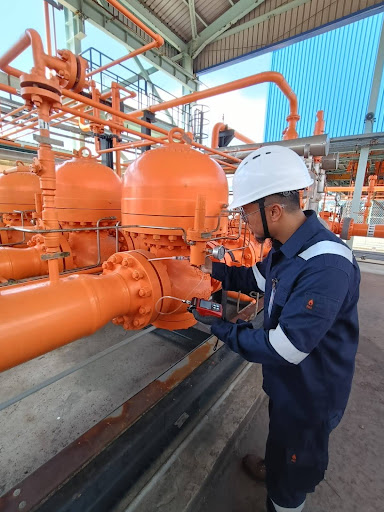
Pressure vessels are critical to the safe and reliable operations of essential building and industrial systems such as water supply, compressed air, sterilisation, heating, and various industrial processes. Hidden in plant rooms and service corridors, they keep our condominiums, schools, hospitals, and factories running – yet they remain largely unnoticed until something goes wrong.
As we enter 2026, regulatory expectations are tightening, and ageing equipment is becoming a growing concern. Inspection history, documentation quality, and vessel condition will increasingly determine an organisation’s compliance standing and operational risk.
At Emaan Inspection, our Authorised Examiners (AEs) continue to observe recurring challenges involving ageing equipment, incomplete records, overreliance on servicing contractors, and uncertainty regarding statutory obligations. This article outlines the key shifts organisations should prepare for in 2026.
The Evolving Landscape of Pressure Vessel Risks
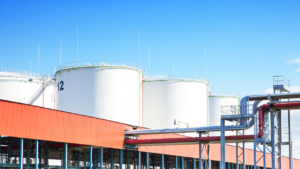
Pressure vessels are not limited to large industrial plants – they are found in everyday environments, including:
- Hydro-pneumatic tanks in condominiums
- Air receivers in workshops, schools, and hospitals
- Autoclaves and sterilisation vessels in medical facilities
- Steam boilers in hotels and central kitchens
- Steam receivers in food production facilities
- Refrigerating plant pressure receivers in chiller systems
Because these systems operate quietly in the background, they often fall outside the proactive risk management. Over time, this can lead to:
- Missed statutory inspection cycles
- Unregistered vessels remaining in service
- Incomplete maintenance and inspection records
- Internal corrosion or thinning walls going unnoticed
- Safety relief devices not tested or replaced
- Inaccurate pressure gauges or indicators
With many older installations now approaching critical age, the risk landscape is expanding.
MOM’s Regulatory Expectations Will Tighten Further in 2026
Registration and Re-Registration of Vessels
Going into 2026, organisations must ensure that:
- They have registration documents such as fabrication survey report, construction drawings, and design calculations
- Documents are endorsed by an accredited Inspection Body (IB certified to ISO 17020 for overseas-fabricated vessels) or by an AE (for vessels fabricated in Singapore).
- They obtain from the AE a report of the examination and test before they use the pressure vessel.
- They are familiar with the requirements of MOM PV Registration
Regular Inspections of Vessels
You must engage an AE to conduct periodic tests on your pressure vessel to ensure the integrity of the vessel.
Under the WSH (General Provisions) Regulations, pressure vessels must be examined at regular intervals by an Authorised Examiner or MOM-authorised boiler inspectors.
The table below shows the types of pressure vessels, inspection intervals and types of inspections required:
| Type of vessel | Inspection interval | Type of inspection |
| Steam boiler | Every year | Visual inspection and running tests. |
| Air receiver, steam receiver | Every 2 years | Visual inspection and running tests. |
| Autoclaves | Every 2 years | Visual inspection and running tests. |
| Autoclaves | Every 6 years | Visual examination on the surface of the external shell. The insulation must be removed completely. |
| All types as listed above | Every 10 years | At least one hydrostatic test and thickness gauging must be conducted to ensure the integrity of the Pressure Vessel. |
Ageing Infrastructure Is Emerging as the Most Serious Challenge
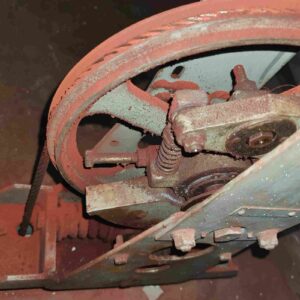
For aging vessels, external surfaces may appear sound, but internal conditions can be vastly different.
Emaan Inspection’s team of AEs frequently detects:
- Severe internal corrosion
- Wall thinning due to long-term moisture exposure
- Blocked or seized relief valves
- Rusted vessel bases and supports
- Inaccurate gauges and uncalibrated indicators
- PVs operating with missing or unreadable nameplates
Ageing pressure vessels need more careful inspection and stricter documentation. Some are even found unregistered, only discovered during routine checks.
Why Documentation and Traceability Matter More Than Ever
Traceability is very important in management of vessels. During audits, officers expect:
- Past report of history
- Calibration certificates
- Internal and external inspection photos
- Manufacturer data and vessel nameplates
- Repair logs and modification documentation
- Risk assessments and updated procedures
Incomplete documentation can result in:
- Delayed issuance of report of the examination and test
- Rejected audit submissions
- Unplanned shutdowns
Emaan Inspection works with clients by ensuring that documents are aligned with MOM requirements.
5. The 2026 Best-Practice Model for Pressure Vessel Safety
Organisations responsible for pressure vessels should adopt a forward-looking safety model built on competency, documentation, and independent verification. This includes several key practices:
- Maintaining an updated pressure vessel register, with clear records of specifications, serial numbers, operating pressures, report of examination and test dates and vessel history.
- Separating servicing from statutory inspection, ensuring that only an independent Authorised Examiner provides the compliance assessment.
- Conducting full internal inspections for ageing vessels or those exposed to moisture, instead of relying solely on external checks.
- Testing or replacing safety valves according to schedule, as these are the primary safeguards against overpressure incidents.
- Ensuring accurate calibration of pressure gauges and indicators so operators can rely on safe, correct readings.
- Strengthening year-round documentation, not just before report of examination and test deadlines, to maintain clear traceability for audits and regulators.
- Engaging the AE early to plan for shutdowns, cleaning and internal access needed for a smooth inspection.
These steps create a disciplined, forward-looking safety framework that supports both operational reliability and regulatory compliance in 2026.
The Value of Independent AE Inspections
An independent AE, one who is not involved in servicing or contracting plays a critical role in safeguarding organisations. Independence removes commercial influence and ensures that every assessment reflects the true condition of the pressure vessel. This approach provides:
- No conflict of interest, ensuring inspections are based solely on safety and compliance.
- Objective, evidence-based findings that management can rely on.
- Transparent reporting that withstands regulatory and insurer scrutiny.
- Accurate identification of risks, supported by documented observations and technical verification.
- Stronger audit outcomes, backed by clear, traceable inspection records.
- Greater confidence for owners, residents, tenants and insurers, knowing a neutral party has verified safety.
As an independent inspection entity, Emaan Inspection offers oversight grounded entirely in safety, compliance and integrity ensuring that organisations receive a clear, unbiased understanding of their pressure vessel risks and requirements. Combining technical competency with transparent reporting to support clients in meeting statutory obligations, our team provides:
- Internal and external statutory inspections
- Inspection and validation of safety valves
- Ultrasonic thickness testing
- Photographic defect documentation
- Advisory on ageing vessels and replacement planning
- Report of Examination and Test issuance aligned to MOM requirements
- Assistance in registration of new vessels and re-registration of existing vessels
- Full digital reporting for audit and insurer submission
Our clientele spans condominiums, schools, hospitals, hotels, food facilities, factories, warehouses, and industrial plants, reflecting our broad technical experience across building types.
Pressure Vessel Safety Is Operational Leadership
In 2026, pressure vessel governance is no longer an engineering formality. It is a leadership responsibility that directly influences operational continuity, regulatory compliance, risk exposure, and public safety.
With ageing infrastructure and rising enforcement expectations, organisations must elevate their inspection culture moving beyond minimal compliance toward robust risk governance. In this aspect, Emaan Inspection stands ready to support this transition by offering one of Singapore’s most reliable, independent, and technically competent AE inspection services.
Safety starts with visibility, compliance starts with documentation and a strong safety culture starts with a competent inspection partner. Contact us to strengthen your pressure vessel compliance strategy in 2026.