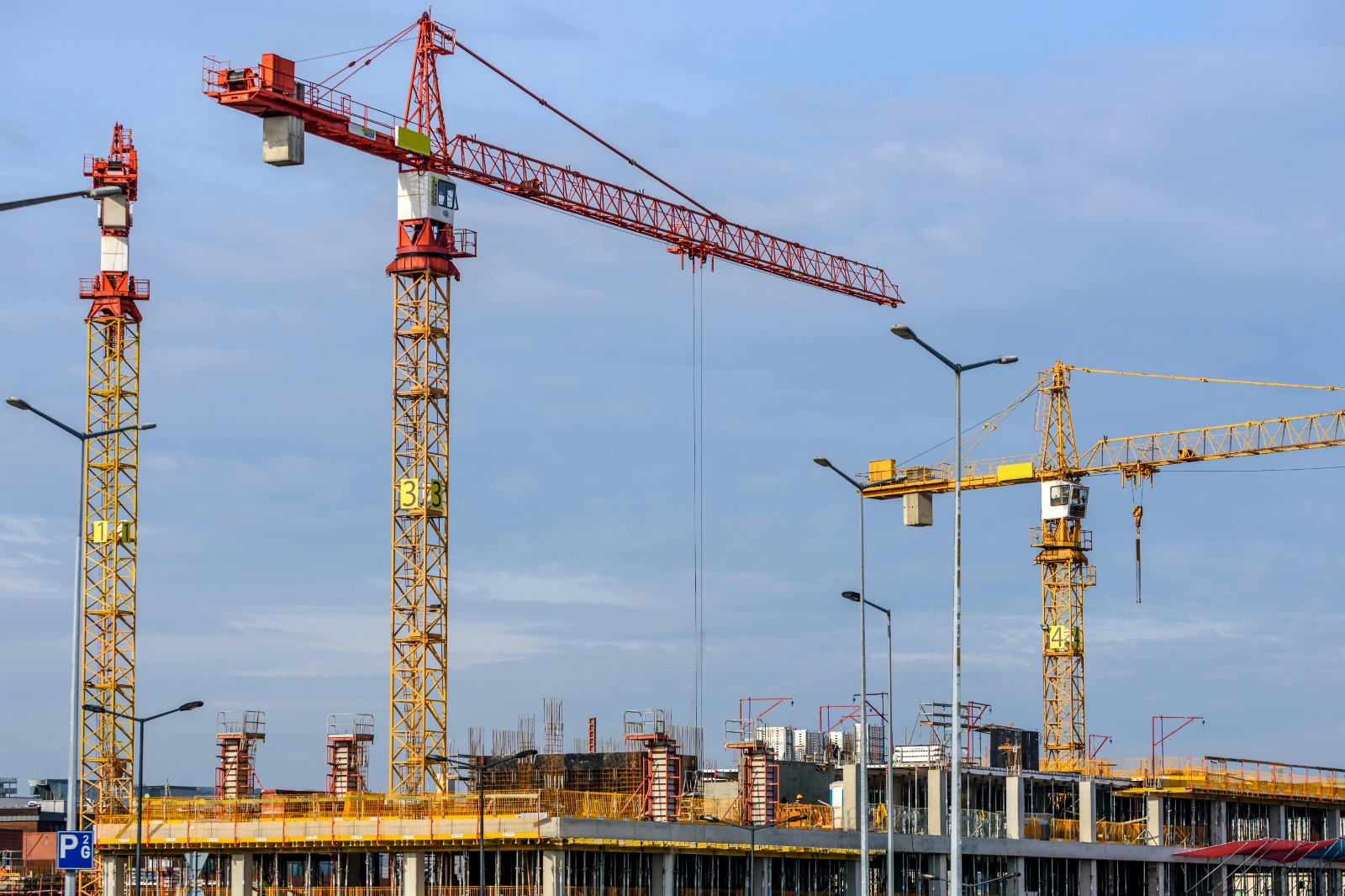
When a tower crane appears on a Singapore worksite, it signals both progress and risk. In August 2023 the Ministry of Manpower (MOM) replaced its approval regime with a self‑notification system: occupiers must submit a Notification Form and retain supporting documents such as layout plans, PE‑designed foundation drawings, risk assessments and inspection reports. The Authorised Examiner (AE) still inspects and tests the crane, but legal and operational responsibility now rests squarely with the occupier.
Why Notification Matters
This change reframes the conversation from “How do I submit a form?” to “Do I understand what I’m legally responsible for?” There is no prior approval; occupiers simply notify and keep evidence on site. By signing the notification you affirm that the crane sits on a PE‑designed foundation, that the AE has checked the layout plan and that a risk assessment and safe work procedures exist. False declarations or missing documents expose the occupier to liability if an accident occurs.
What Self‑Responsibility Means
Self‑notification is more than paperwork. Occupiers must verify that the crane, its foundation and wall ties are designed and installed in accordance with engineering standards and that every inspection and test is documented. They must train lifting supervisors, riggers and operators to follow the approved layout and safe work procedures and conduct regular walk‑throughs to identify hazards. In short, self‑responsibility means taking ownership of both compliance and operational safety.
Hidden Risks Behind Paperwork
Incomplete layout plans
Every installation begins with a layout plan showing zones of influence, height‑under‑hook, wall‑tie locations and adjacent structures up to 100 m. The AE must endorse the plan and later confirm that the actual installation matches it. Poorly drafted plans can lead to overlapping booms or insufficient clearance from public infrastructure. The plan should also be shared with crane operators, lifting supervisors, riggers and signalmen so they understand the crane’s zone of operation.
Wall ties
Tower cranes taller than 40 m need wall ties designed by a Professional Engineer (PE). These ties anchor the mast to the building and must be shown on the plan; the AE verifies correct installation and height. Improperly anchored ties are a recurring factor in crane collapses, and insurers note that poor foundations and inadequate tying are among the leading hazards .
Foundation design
The foundation is the crane’s backbone. A PE must design it to account for vertical and horizontal forces and supervise construction, then certify that it matches the design. The AE verifies that the finished foundation and wall ties conform to the plan. Faulty foundations can lead to collapse such as a case of a tower‑crane failure in 2019, resulting in one death, investigators emphasised proper installation and regular examination.
Authorised Examiners: More Than a Rubber Stamp
In the notification system the AE inspects and tests the crane, reviews the layout plan and uploads the notification. Endorsing the plan means certifying that it meets the acceptance criteria; disciplinary action awaits AEs who sign off on non‑compliant plans. Industry advisories require statutory inspections at least once a year and pre‑use checks before every lift. The AE is the last technical safeguard before the crane lifts its first load. A diligent AE will refuse to endorse an installation if any of the required tests, wall ties or documentation are lacking.
Compliance vs. Safety
Obtaining a certificate does not guarantee safety. Hazards arise from unpredictable factors — high winds, inexperienced operators or undetected defects in ageing cranes and they can emerge long after the crane is commissioned. Safety therefore demands ongoing monitoring, training and timely reporting. As projects evolve, ground conditions and loads change; heavy materials near the base alter the load path. Risk assessments and lifting plans must be updated and supervisors should coordinate with other contractors.
Partnering for Risk Management
Self‑declaration increases the value of independent, experienced inspection teams. Organisations like Emaan are more than just examiners; they operate as risk partners who work alongside occupiers to close the gaps between compliance and safety. Their engineers can audit your layout plans and foundation designs, cross‑check them against international codes, and provide objective recommendations. They also run operator training, develop safe work procedures and perform periodic inspections beyond the mandatory annual check. By bringing in such expertise early, occupiers move from ticking boxes to proactively managing risk.
Compliance is easy; responsibility is not
MOM’s shift from approval to notification simplifies the paperwork but transfers full legal and operational responsibility to occupiers. Understanding the guidelines, designing safe foundations and wall ties, preparing accurate layout plans and engaging competent Authorised Examiners are non‑negotiable. Compliance is easy; responsibility is not. This is why aligning with a risk partner like Emaan is so valuable: they help translate obligations into action, ensuring that the cranes shaping Singapore’s skyline do so safely, sustainably and in full compliance with the law.