In a nation engineered on precision, resilience, and reliability, much of what sustains Singapore’s built environment operates beyond public view.
Behind every smooth lift journey in a high-rise building, every controlled lifting operation on a construction site, and every pressurised system in an industrial facility lies a network of engineered assets designed to perform within strict safety parameters.
Before these systems are commissioned and throughout their operational lifecycle, they must undergo rigorous inspection to ensure compliance with regulatory requirements, engineering codes, and safety-critical performance standards. This responsibility rests with a specialised discipline that operates largely behind the scenes: engineering inspection. For Emaan Inspection Pte Ltd (EIPL), this has been its core mandate for the past 25 years.
A Silent Pillar of Safety and Reliability
Since its establishment in 2001, EIPL has played a vital role in supporting Singapore’s industries by providing independent engineering inspection and assurance services.
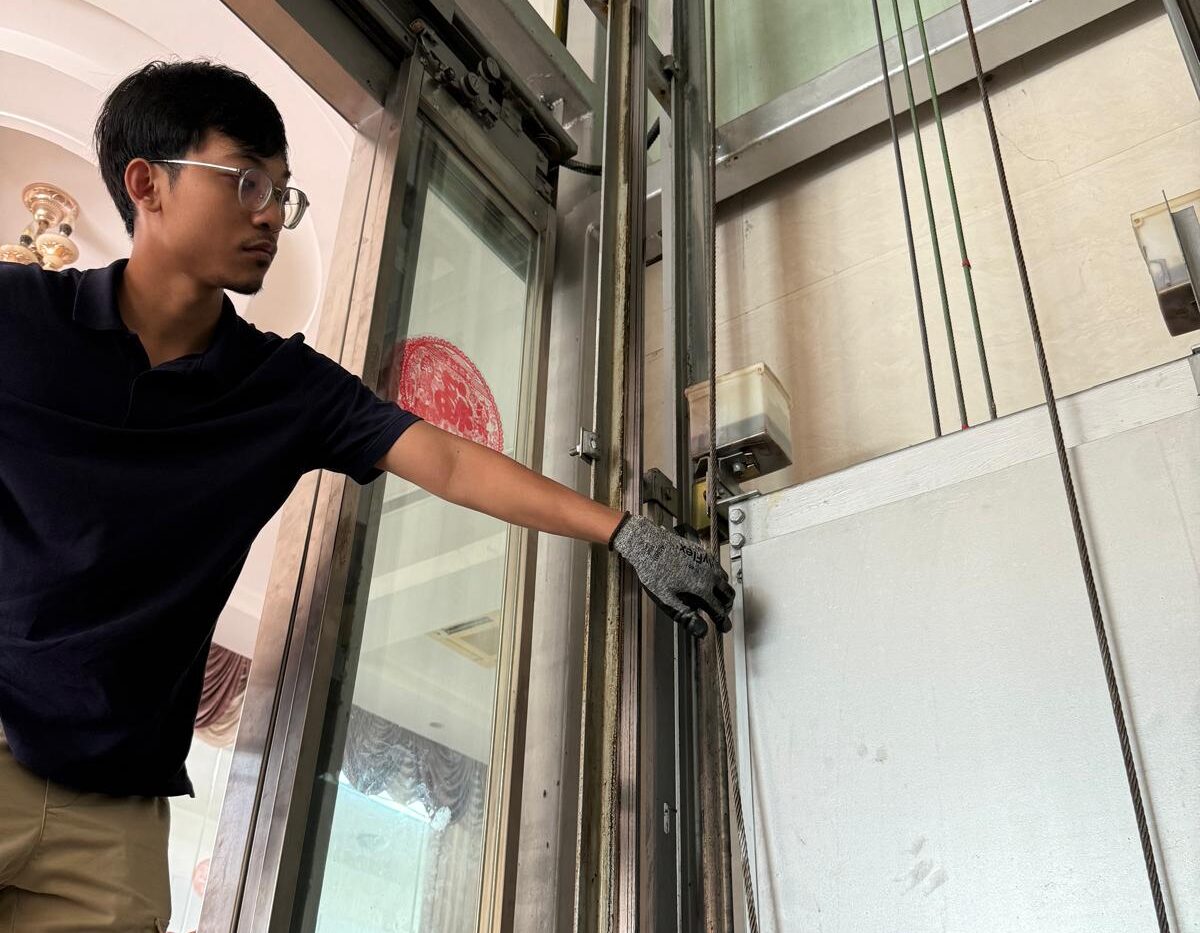
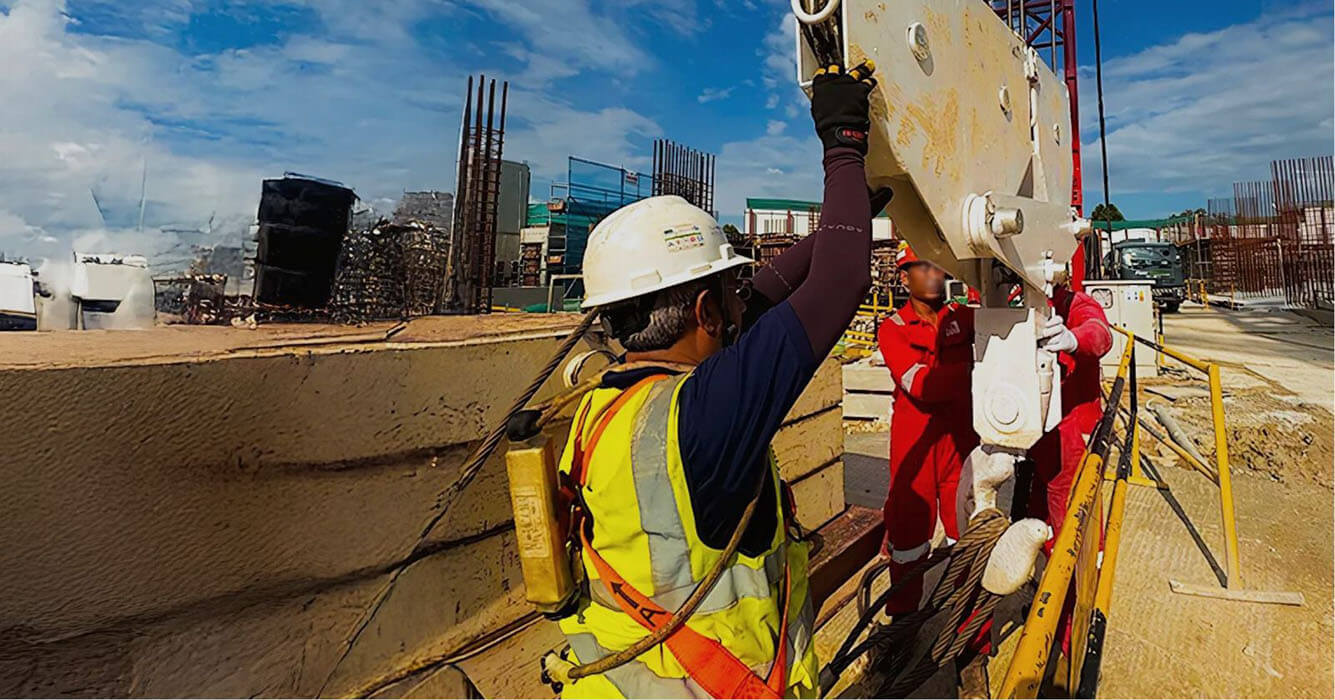
Its work spans a wide spectrum of mechanical systems, including lifting appliances, cranes, access platforms, pressure vessels, piping networks, and vertical transportation systems, assets that are fundamental to infrastructure, yet inherently risk-bearing if not properly maintained and verified.
Through structured inspection methodologies, encompassing visual examination, non-destructive testing (NDT), and functional validation, EIPL’s engineers assess not only regulatory compliance, but also the underlying integrity and operational condition of equipment. At the core of this work lies early risk detection. Seemingly minor defects, such as fatigue-induced cracking in load-bearing structures or failure of safety interlock mechanisms, can represent latent failure modes. Left unaddressed, these may escalate into significant safety incidents or operational disruptions.
“Engineering inspection may not always be visible, but it is critical in preventing failures before they occur,” said Er. Mohd Kahliab Zainal Abidin, Founder of EIPL. “Our role is to ensure that systems operate safely within their intended design limits.”
Evolving with a Complex Engineering Landscape
Over the past two and a half decades, Singapore’s infrastructure and industrial sectors have undergone rapid and sustained development. Increasing system complexity, higher performance demands, and tighter regulatory frameworks have redefined the expectations placed on engineering systems and those responsible for inspecting them.
EIPL’s growth reflects this transformation.
From its beginnings as a modest inspection practice, the company has evolved into a specialised engineering inspection firm with strengthened technical capabilities, a broader industry presence, and enhanced inspection frameworks. “The industry has evolved significantly over the past 25 years,” Er. Mohd Kahliab noted. “As engineering systems become more advanced, the need for specialised expertise and rigorous inspection standards has become even more critical.”
Beyond Compliance: From Inspection to Engineering Partnership
While engineering inspection has traditionally been associated with statutory compliance, its role today extends far beyond certification. Modern inspection practices provide valuable engineering insights into equipment condition, degradation mechanisms, and operational reliability. As a result, organisations increasingly rely on inspection professionals not only for compliance verification, but also for technical guidance on maintenance strategies and asset lifecycle management.
EIPL’s engagement across sectors including construction, marine and offshore, manufacturing, healthcare, and education has enabled the company to develop long-term partnerships built on trust and technical credibility. “We go beyond compliance,” said Er. Mohd Kahliab. “We work closely with clients to help them understand the safety, performance, and reliability of their systems, so they can make informed engineering decisions.”
Technology-Enabled Inspection in a Data-Driven Era
The inspection landscape has undergone significant transformation with the integration of advanced diagnostic technologies and digital systems. Where inspection processes were once manual and paper-based, today’s practices incorporate data-driven methodologies and precision diagnostic tools.
EIPL utilises technologies such as:
• iAuditor – to capture inspection data of Lifts and Escalators & Pressurised System.
• Drone Technology – to capture critical components in tower cranes inspection.
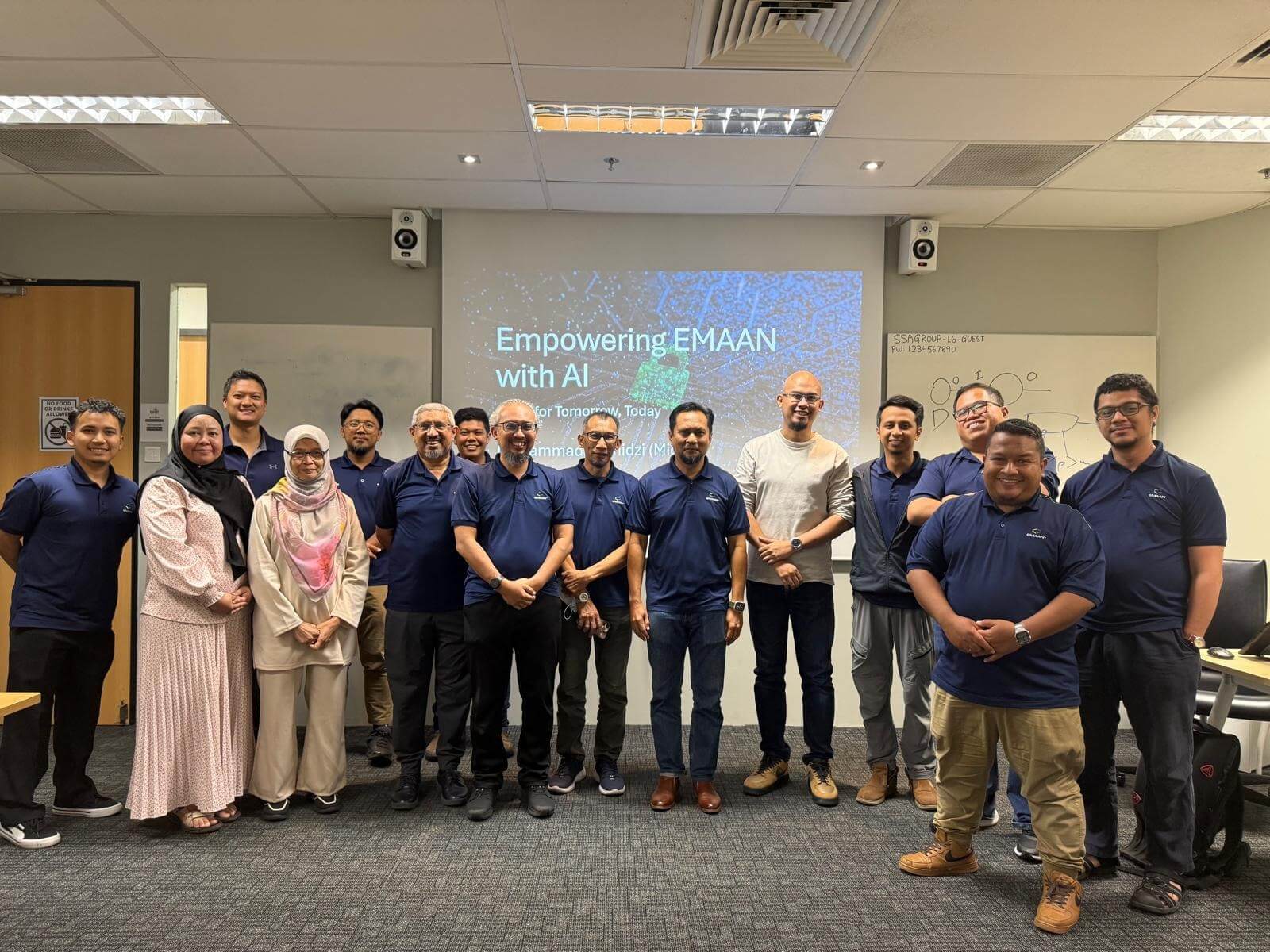
• AI enabled tools– to integrate internal workflows and processes.
These tools enhance the accuracy, efficiency, and reliability of inspections, while supporting predictive maintenance strategies that reduce unplanned downtime and extend asset life.
“Technology has become a key enabler in inspection work,” Er. Mohd Kahliab explained.
“It allows us to deliver higher accuracy, better efficiency, and more reliable outcomes for our clients.” Looking ahead, the integration of real-time monitoring systems, IoT-enabled sensors, and predictive analytics is expected to further shift inspection practices towards continuous condition-based monitoring.
Engineeriang Expertise: The Human Factor
Despite rapid technological advancement, engineering inspection remains fundamentally dependent on human expertise, judgement, and professional integrity.
Inspection engineers must possess deep technical knowledge, a strong understanding of failure mechanisms, and the ability to make independent, evidence-based assessments under varying operational conditions.
At EIPL, capability development is anchored in mentorship and hands-on experience. Engineers are trained through direct exposure to real-world inspection environments, working alongside Specialised Engineers, with exposure across diverse industries.
“Technical competence, attention to detail, integrity, and professional courage are essential,” said Er. Mohd Kahliab. “Engineers must never compromise on integrity, because their decisions directly impact safety and lives.”
A Milestone of Collective Achievement
EIPL’s 25-year milestone represents more than organisational growth. it reflects the collective contributions of its engineers, staff, clients, and industry partners. “Reaching 25 years is a moment of reflection and gratitude,” said Er. Mohd Kahliab. “It represents the dedication of our people and the trust that our clients and partners have placed in us over the years.” This trust has been instrumental in enabling the company to sustain its role as a reliable provider of engineering inspection and assurance services.
The Enduring Value of Engineering Inspection
The true impact of engineering inspection is often measured by what does not occur, failures avoided, incidents prevented, and systems that continue to operate safely without disruption.
Though largely unseen, inspection activities form a critical layer of defence within Singapore’s industrial ecosystem, safeguarding people, assets, and infrastructure.
After 25 years, EIPL’s journey underscores a fundamental reality and that is, engineering inspection may operate quietly in the background, but it remains indispensable in ensuring the safe, reliable, and sustainable operation of modern engineering systems.