As more private residential developments in Singapore cross the 30-year mark, lift systems are emerging as one of the most critical areas requiring closer attention and independent condition assessment as they directly impact daily living and residents safety. When Singaporeans think about ageing buildings, the first concern that often comes to mind is funding.
- Who will pay for the repairs?
- Will the sinking fund be enough?
- Will residents need to contribute more out of pocket?
Yet beneath these financial questions lies another issue that is often less visible but equally critical. Before any building owner decides how much to spend on repairs and upgrades, they must first understand the building’s actual condition, especially the reliability and condition of lift systems that residents depend on daily. Recent discussions about ageing private residential developments have brought this issue into sharper focus. A report by The Straits Times examined the situation in older estates such as Lakeview Estate, where buildings approaching five decades old are beginning to require extensive repairs and upgrades. In many such developments, lift systems are often among the first to show signs of ageing, with increasing maintenance needs and reliability concerns.
While proposals to introduce new frameworks to support ageing condominiums have been welcomed, the conversation has largely centered on funding mechanisms. From an engineering perspective, however, the issue runs deeper. Before budgets are debated and repair contracts are issued, there must be clarity on the actual condition of key systems, especially lift systems that directly affect daily operations, accessibility, and residents comfort and safety.
The Lift Question Behind Ageing Buildings
Management Corporation Strata Title councils, better known as MCSTs, play an important role in maintaining private residential developments across Singapore. However, many council members are volunteers who may not have engineering or expert knowledge in lift systems and their lifecycle management.
As buildings age, councils often face difficult questions.
- What is the current condition of our lift systems?
- Do our lifts require upgrading or total replacement?
- Are the recommended lift repairs necessary or excessive?
- How much longer can the lifts operate reliably?
Without a clear technical and expert assessment, these questions can be difficult to answer.
This uncertainty can sometimes lead to disagreements among residents, delays in decision-making, or piece meal repair works that fail to address the underlying issues. In complex developments, multiple systems may age simultaneously. Lift systems are often the most immediate concern as they directly impact residents mobility, safety, and daily experience.
From an engineering standpoint, understanding the actual condition of building systems should always come before committing to major repair expenditures.
A Structural Trend in Singapore’s Property Lifecycle
Singapore is entering a phase in which a growing number of private residential developments are reaching the later stages of their building lifecycles.
According to reports cited by The Straits Times, more than 1,000 private residential developments in Singapore are already over 30 years old, and this number will continue to increase in the coming decade. Many developments built during the rapid expansion of the 1980s and 1990s are now approaching the point where major repair cycles become unavoidable.
As buildings age, we can expect several engineering issues to emerge.
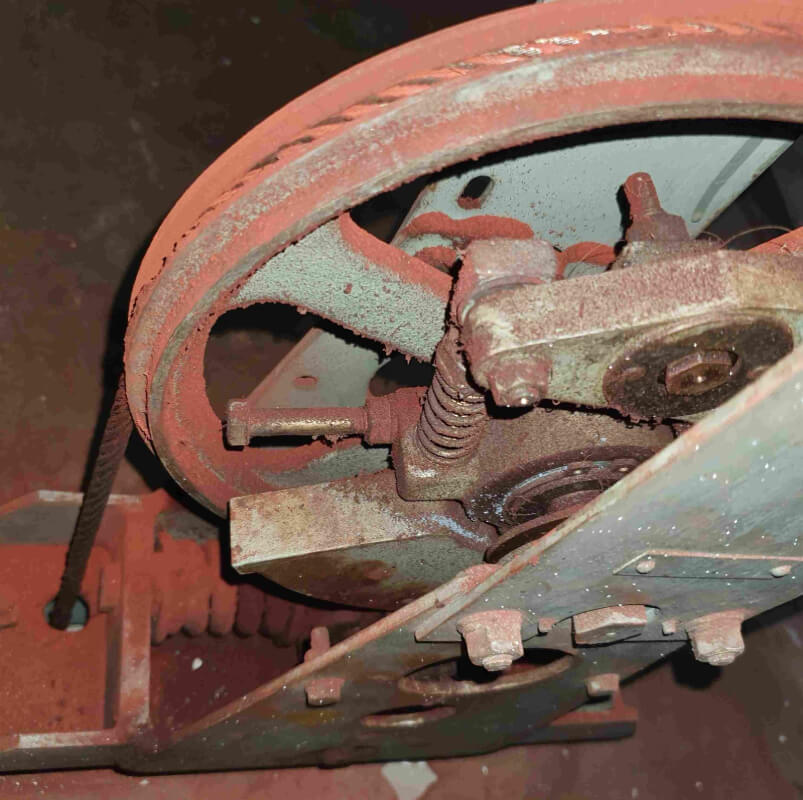
Lift systems often begin to approach the limits of their operational lifespan after 25 to 30 years, with increasing maintenance needs and potential reliability issues.
While other building systems such as waterproofing or structural elements also age over time, lift systems tend to be the most visible and immediately impactful to residents.
None of these issues is unusual. They are part of the natural lifecycle of buildings everywhere.
What makes the situation more complex in Singapore is the governance structure of private residential estates. Unlike public housing estates, where upgrading programmes are centrally planned and coordinated, private developments rely on MCST councils to make technical and financial decisions on residents’ behalf.
That responsibility can become particularly challenging when major repairs involve millions of dollars.
The Role of Independent Engineering Assessment
One of the key challenges faced by MCST councils is the information gap between building owners and contractors.
When defects appear, councils often depend on contractors to diagnose the problem and recommend repair works. While contractors provide valuable expertise, they are also the parties responsible for carrying out those repairs.
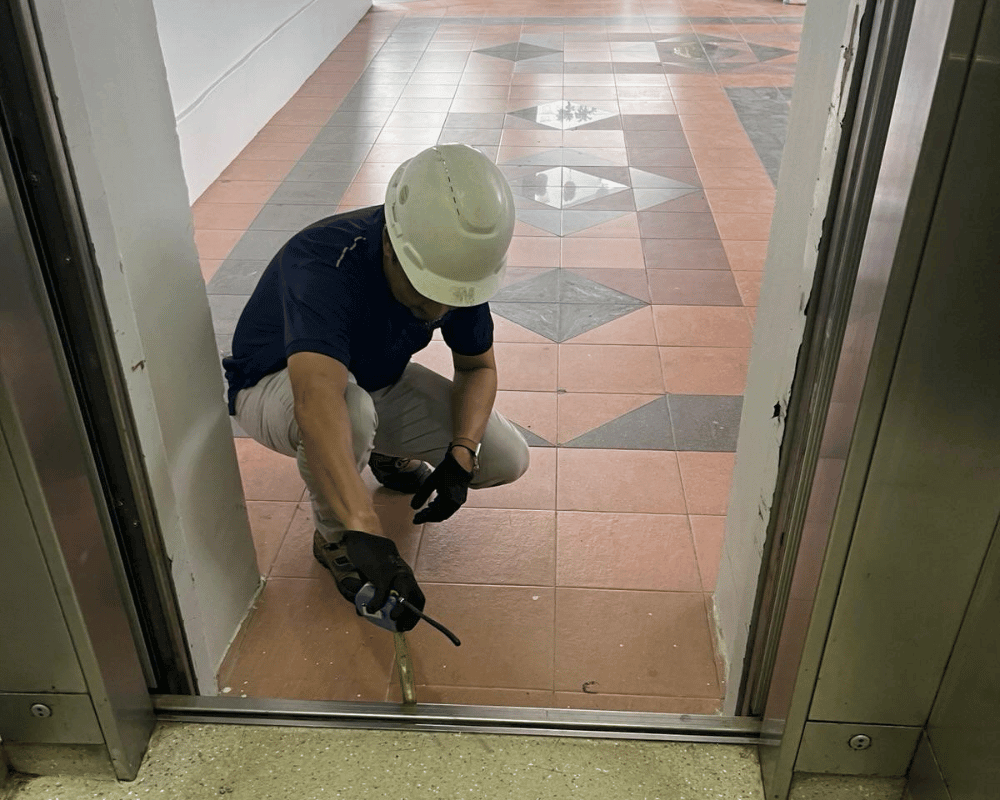
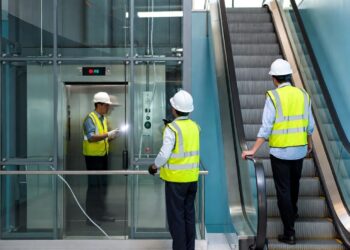
An independent lift inspection and assessment specialist evaluates the condition, safety, and remaining lifespan of lift systems before major upgrading decisions are made helping MCST councils and property managers in Singapore make informed decisions about ageing buildings.
Such assessments may involve reviewing key lift systems , including:
- Lift system condition and performance
- Safety compliance and risk assessments
- Remaining operational lifespan
- Upgrade versus replacement recommendations
With a clearer technical picture and condition assessment, building owners are better able to prioritise repairs, evaluate contractor proposals, and make decisions that balance both safety and cost.
From Reactive Repairs to Preventive Engineering
Singapore’s broader safety frameworks have increasingly moved towards preventive approaches rather than reactive repairs. Lift systems, for example, are already subject to regular inspections and regulatory oversight to detect potential safety risks early.
A similar mindset may become increasingly relevant for ageing residential developments.
Periodic condition assessments allow building owners to identify emerging risks earlier, plan maintenance strategies more carefully, and manage repair costs over time rather than facing sudden, large-scale repair programmes.
For lift systems, this is particularly critical, as failures are immediately felt by residents and can disrupt daily living.
Lift equipment often begins to face reliability challenges after 25 to 30 years of operation and may require upgrades or replacement of key components or even total replacements. While other risks such as waterproofing or structural deterioration exist, lift systems remain the most immediate and visible concern in ageing residential developments.
Singapore’s Ageing Buidings at a Glance
Recent discussions on ageing estates highlights a clear trend across Singapore’s private housing sector.
• More than 1,000 private residential developments are already over 30 years old
• Many developments built in the 1980s and early 1990s are now entering major repair cycles
• Some estates approaching 40 to 50 years old are beginning to require significant upgrading works
Source: Housing report by The Straits Times.
This trend places increasing pressure on lift systems across older developments.
Engineering Clarity for the Next Phase of Singapore’s Built Environment
Singapore has built its reputation on strong engineering standards and careful infrastructure management. As buildings age, maintaining those standards will increasingly depend on close collaboration between policymakers, engineers, property managers, and building owners.
Financial frameworks and regulatory support may help address funding challenges. But equally important is ensuring that building owners have access to independent technical expertise before major decisions are made.
After all, repair work costing millions should not begin in the face of uncertainty. They should begin with engineering clarity. In aging residential developments, lift systems are often the first and most critical indicator of broader infrastructure challenges.
Before committing to costly upgrading or replacement works, building owners need clear, independent insight into lift condition and lifespan.
For MCST councils, property managers, and building owners navigating ageing infrastructure challenges, an independent engineering assessment an independent lift inspection can provide a clearer understanding of risks, priorities, and possible solutions before major repair programmes begin.
Emaan Inspection provides independent lift inspection and condition assessment services helping building owners evaluate lift conditions and make informed decisions grounded in sound engineering assessments and judgment.
To learn more about EIPL’s inspection services, visit www.emaan.com.sg or contact our team for further information.
![[45] Emaan 2026 (1000 x 350 px) - 4 (1)](https://emaan.com.sg/theengineerscompass/wp-content/uploads/2026/04/45-Emaan-2026-1000-x-350-px-4-1-350x250.jpg)